
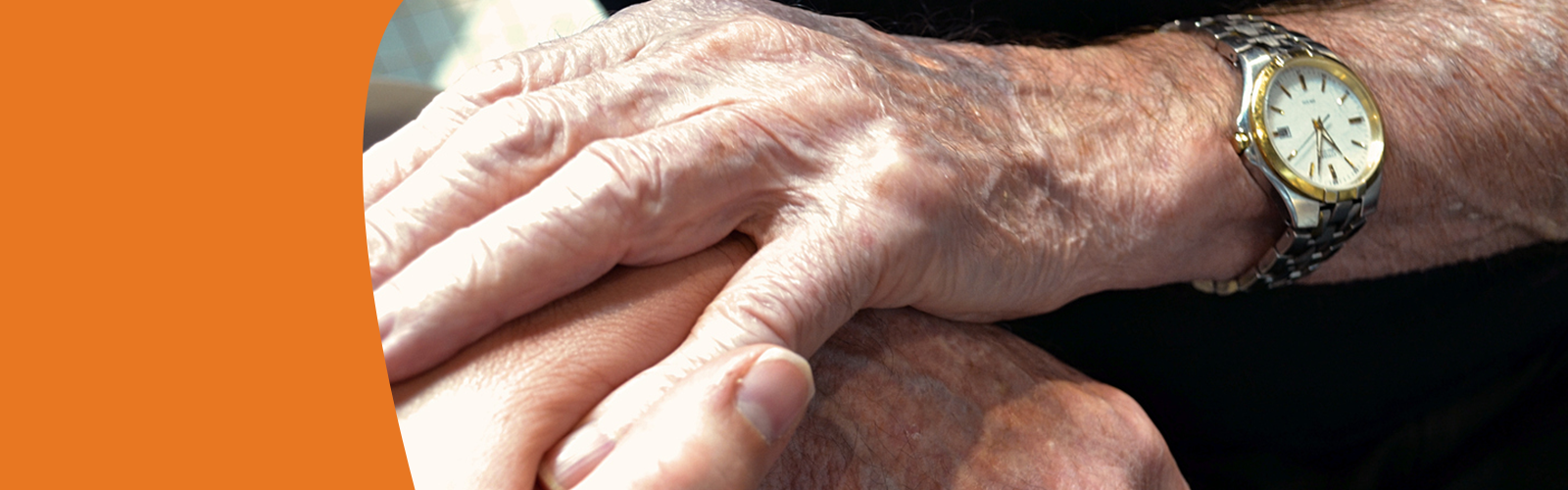
Campaign for assisted dying
Life is precious. But when you can only feel pain, and your suffering cannot be eased, shouldn’t you be able to choose a dignified and comfortable end? We believe it’s a fundamental matter of individual choice and dignity. That’s why we’re campaigning to change UK laws around assisted dying, for both the terminally ill and incurably suffering.
We’re living with inhumane laws
Assisted dying is already happening. People are travelling to Switzerland, dying through suicide pacts, or refusing food, water and treatment. None of these outcomes have safeguards, and they can cause additional trauma for patients and families. Legal assisted dying offers the chance to put safeguards in place where currently there are none.
Three-quarters of British adults support a compassionate right to die law.

The safeguards work: a global picture
We recognise that any assisted dying law must contain strong safeguards and be offered alongside palliative care. But evidence from countries where assisted dying is legal shows that safeguards can be effective, and palliative care improves when assisted dying is legalised.
More than one person a week travels to Switzerland from the UK for an assisted death.
WE SUPPORT THE TERMINALLY ILL ADULTS BILL
The law needs to change
This Parliament has a historic opportunity to deliver compassionate, humane, and safe assisted dying legislation.
The Terminally Ill Adults (End Of Life) Bill is a Private Members’ Bill (PMB) sponsored by Labour MP Kim Leadbeater MBE. The Government takes a neutral stance, and politicians can vote according to their conscience.
In June 2025, the Bill passed the House of Commons by 314 votes to 291, a majority of 23.
To be eligible for an assisted death, a person must be:
- 18 years old
- A UK resident
- Dying from a terminal illness that will end their life in six months or less
- Have full mental capacity and ‘a clear, settled and informed wish to end their own life’.
In order to access an assisted death, the person must:
- Make a witnessed, written declaration
- Have an assessment by a doctor with specific training
- Wait seven days
- Have a second assessment by an independent doctor with training
- Wait fourteen days
- Be approved by a panel consisting of a lawyer, psychiatrist and social worker
- If approved, one of the assessing doctors must provide the medication and stay with them until they die. The patient must take the medication themselves.
At every interaction with a panel or medical professional, the patient is being tested for capacity and coercion. All doctors and panel members must have training in domestic abuse, including coercive control and financial abuse.
A person who, by dishonesty, coercion or pressure, induces another person to have an assisted death would face lifetime imprisonment.
Compare that tightly safeguarded system with the status quo, where terminally ill people can still end their lives, but often in more traumatic, lonely, and unsafe ways, without the oversight, protections, and accountability this Bill would provide.

It’s time for the UK to adopt
a compassionate approach
We stand for choice and dignity
For decades we’ve worked alongside impassioned campaigners to empower people of sound mind with the freedom to to die with dignity.
In doing so, we:
- Co-founded the UK’s first ever national Assisted Dying Coalition, bringing together campaigners, medical professionals, and other organisations
- Supported a landmark legal case which prompted the Director of Public Prosecutions to change their guidelines on assisted dying in 2014
- Subsequently supported all further legal attempts to change the law
- Backed new research into the legalisation of assisted dying and championed proposals to legalise assisted dying in Guernsey
- Repeatedly worked with MPs and peers to raise the matter in Parliament time and time again
- Published research showing significant support for assisted dying amongst people with motor neurone disease
- Worked with the medical community to reform the key medical institutions’ stances on this issue
Politicians and governments cannot simply leave the issue of assisted dying in the ‘too-hard’ category. This is a fundamental human right. That should trump any political, religious, or other motives.


