Our patrons
Humanists UK is supported in its work by an extensive list of patrons who lend their association and public profile to
the humanist cause in a variety of ways. Some have been appointed as patrons for their specific contributions to human rights,
equality, and justice; others for contributions to humanist philosophy; and some for artistic achievements which have helped
to shed light on the human condition. Many others are recognised for specific work in science, or journalism, or furthering
human welfare.
Our patrons are all individuals with unique and varying opinions, points of view, and stances on many issues,
and naturally they don’t speak for Humanists UK on every subject where they have opinions.
What they have in common is their public support for Humanists UK, our advocacy work, our services, and our campaigns.
Collectively they showcase the diversity of humanist thinking, and humanist achievement, in public life.
Click here to see obituaries of Humanists UK Patrons.
Our President & Vice Presidents
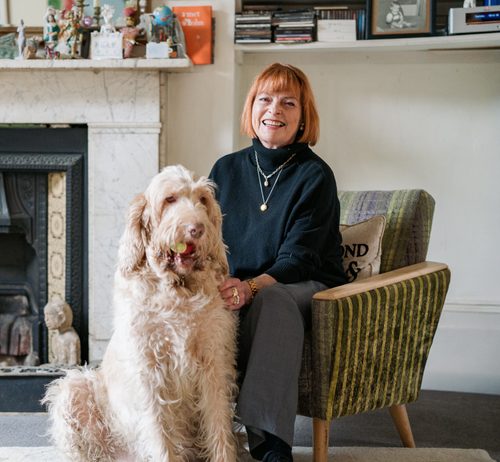
Janet Ellis MBE
Broadcaster, actor, writer, and President of Humanists UK

Dr Adam Rutherford
Geneticist, author, broadcaster, and Vice President of Humanists UK
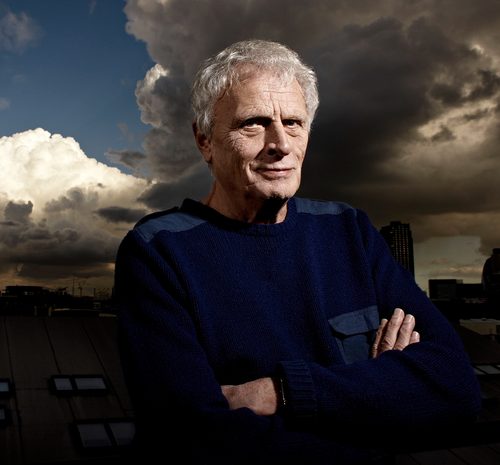
Professor Laurie Taylor
Sociologist and Vice President of Humanists UK

Professor Alice Roberts
Anatomist, author, broadcaster, and Vice President of Humanists UK

Shaparak Khorsandi
Comedian, author, and Vice President of Humanists UK
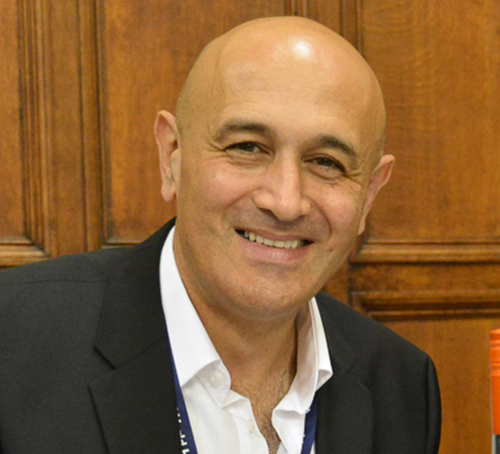
Professor Jim Al-Khalili CBE
Scientist, author, broadcaster, and Vice President of Humanists UK

Polly Toynbee
Columnist, broadcaster, and Vice President of Humanists UK

Professor A C Grayling CBE
Writer, philosopher, and Vice President of Humanists UK
Spotlight

John Amaechi OBE
Psychologist and author

David Baddiel
Comedian, writer, and television presenter

Baroness Joan Bakewell DBE
Journalist, television presenter, and Labour Party peer

Sue Cook
Author, journalist, and broadcaster
Janet Ellis MBE
Broadcaster, actor, writer, and President of Humanists UK

Sir Stephen Fry
Actor, comedian, writer, and presenter

Professor Sir David King FRS
Distinguished scientist

Stewart Lee
Comedian, broadcaster, and lyricist of 'Jerry Springer the Opera'

Mike Little
Co-founder of WordPress

Dr Henry Marsh CBE
Leading neurosurgeon

Sara Pascoe
Actor, writer, and comedian

Sir Philip Pullman CBE
Author

Dan Snow MBE
Television presenter and historian

Sir Patrick Stewart, OBE
Actor

Sandi Toksvig
Comedian, playwright, novelist, and TV personality

Dr Rebecca Wragg Sykes
Archaeologist, author, and public scholar
All our patrons
Graham Allen
Labour MP for Nottingham North from 1987 to 2017
John Amaechi OBE
Psychologist and author
Adèle Anderson
Actress, singer, and patron of Humanists UK
Dr Iolo ap Gwynn FRMS
Scientist, mountaineer, and patron of Humanists UK
Peter Atkins
Scientist and author
David Baddiel
Comedian, writer, and television presenter
Dr Julian Baggini
Writer, philosopher, and patron of Humanists UK
Baroness Joan Bakewell DBE
Journalist, television presenter, and Labour Party peer
Lorraine Barrett
Celebrant and former Member of the Welsh Assembly
Dr Richard Bartle
Professor of Computer Game Design
Siân Berry AM
Green Party member of the London Assembly, and author
Lord (John) Birt
Crossbench peer and former Director-General of the BBC
Piers Bizony
Science journalist
Professor Simon Blackburn
Professor of Philosophy at the University of Cambridge, and member of the Humanist Philosophers’ Group
Dr Susan Blackmore
Writer, lecturer and broadcaster
Baroness Blackstone
Labour life peer
Sir David Blatherwick, KCMG, OBE
Diplomat and writer
Sir Tom Blundell
Scientist
Liv Boeree
Science broadcaster and poker champion
Sarah Bridle
Professor of Food, Climate, and Society
Baroness (Lorely) Burt
Member of the House of Lords
Dr Emma Byrne
Scientist, author, and broadcaster
Don Cameron MBE
Aeronautical engineer and balloon manufacturer
Colin Campbell
Sociologist
Philip Campbell
Editor in science publishing
Dr Alfredo Carpineti
Astrophysicist, science journalist, and social activist
Lord Michael Cashman
Peer and activist
Peter Cave
Philosopher, author, speaker, and lecturer
Colin Challen
Labour politician, and campaigner on climate change
Michael Clapham
Labour politician
Michael Connarty
Former Labour MP
Sue Cook
Author, journalist, and broadcaster
Dr Hannah Critchlow
Author, broadcaster, and neuroscience presenter
Dr Helena Cronin
Co-Director, Centre for Philosophy of Natural and Social Science, LSE
Dr Helen Czerski
Physicist
Matthew d'Ancona
Journalist and author
Sir Richard Dalton
Former diplomat
Professor Richard Dawkins FRS
Scientist, author, and former Charles Simonyi Professor of the Public Understanding of Science at the University of Oxford
Jonathan Derbyshire
Philosopher and journalist
Professor Kate Devlin
Computer scientist and writer
Louise Doublet
Jersey States Deputy
Marcus Du Sautoy
Mathematician
Maureen Duffy
Poet, playwright, novelist,
Robin Dunbar
Evolutionary psychologist
Janet Ellis MBE
Broadcaster, actor, writer, and President of Humanists UK
Professor Edzard Ernst
Physician
Hermione Eyre
Journalist and author
Zoë Fairbairns
Feminist writer
The Viscount Falkland
Crossbench peer
Lynne Featherstone
Liberal Democrat peer and architect of the Same-Sex Marriage Act 2013
The Rt Hon the Lord Foulkes of Cumnock, PC
Labour peer
Kate Fox
Anthropologist and author
Professor Chris French
Professor of psychology
Sir Stephen Fry
Actor, comedian, writer, and presenter
Professor Ben Garrod
Scientist, author, and broadcaster
Timothy Garton Ash
Historian
Clare Gerada
Former President of the Royal College of General Practitioners and Peer
Nicci Gerrard
Writer and journalist
Professor Jonathan Glover
Philosopher
Anne Glover
Professor of biology, and former Chief Scientific Adviser to the European Commission
Professor Anjali Goswami
Professor of Palaeobiology
David Hand
Eminent statistician
Felicity Hannah
Journalist
Professor John Harris
Philosopher, and bio-ethicist
Dr Evan Harris
Former Liberal Democrat Member of Parliament
Ellie Harrison
Naturalist and broadcaster
Tony Hawks
Comedian, Writer, Musician and Philanthropist
Natalie Haynes
Comedian and writer
Matthew Healy
Singer and guitarist
Isaac Hempstead Wright
Actor
Richard Herring
Writer and stand-up comedian
Julie Hesmondhalgh
Actor and campaigner
Jon Holmes
Writer, comedian, and broadcaster
Mary Honeyball
Former Labour Member of the European Parliament
Martin Horwood
Former Liberal Democrat MP
Philip Hunt, Baron Hunt of Kings Heath OBE
Labour life peer
Julian Huppert
Academic and former MP
Dr Roger Hutton
Former senior civil servant
Deborah Hyde
Skeptic and folklorist
Dr Michael Irwin
Retired doctor and assisted dying campaigner
Professor Saiful Islam
Professor of Materials Chemistry, and Royal Institution Christmas Lecturer 2016
Professor Sir Alec Jeffreys FRS
Discoverer of DNA fingerprinting
Dr Christian Jessen
Doctor, writer, and broadcaster
Professor Steve Jones
Professor of Genetics, science writer, and broadcaster
Adam Kay
Writer, comedian, and former doctor
Professor Sir David King FRS
Distinguished scientist
The Rt. Hon. The Lord Kinnock PC
Labour politician
Sally Le Page
Evolutionary biologist and science educator
Stewart Lee
Comedian, broadcaster, and lyricist of 'Jerry Springer the Opera'
Professor John A Lee
Consultant Histopathologist
Mike Leigh
Writer and director
Zion Lights
Science communicator and environmentalist
David Lindo
Broadcaster, writer, and educator
Mike Little
Co-founder of WordPress
Ralf Little
Actor, writer, and producer
Lord Gus Macdonald
Labour life peer (retired)
Norman MacLean SDA, BSc, PhD, FLS, FIBiol.
Biologist
Kenan Malik
Writer and broadcaster
Zoe Margolis
Writer, journalist, and best-selling blogger
Dr Henry Marsh CBE
Leading neurosurgeon
Bob Marshall-Andrews QC
Barrister and occasional novelist, former Labour MP for Medway
S I Martin
Writer, historian, journalist, and teacher
Mark Maslin
Climate change professor and writer
Tim McGarry
Comedian and actor
Professor Sheila McLean FRSE, FRCGP, FRSA
Director of the Institute of Law and Ethics in Medicine, Glasgow University
Jonathan Meades
Writer and broadcaster
Stephanie Merritt
Critic, feature writer, and novelist
Tim Minchin
Musician, actor, comedian, and writer
Julie Morgan MS
Welsh Labour politician
Andrew Mueller
Journalist and author
Kristian Nairn
Actor and DJ
Jane Nicklinson
Assisted dying campaigner
Professor Richard Norman
Emeritus Professor of Moral Philosophy and founder-member of the Humanist Philosophers' Group,
Laura Lacole and Eunan O'Kane
Model, footballer, and humanist marriage campaigners
Sara Pascoe
Actor, writer, and comedian
Christina Patterson
Writer and journalist
Hannah Peel
Artist, producer, and composer
Professor Sir Roger Penrose FRS, OM
Distinguished mathematical physicist
Lauren Nicklinson
Assisted dying campaigner
Professor Kate Pickett
Academic and writer
Lucy Porter
Actress, writer, and comedian
Martin Poulter
Distinguished skeptic, and speaker on cults and critical thinking
Simon Price
Music journalist, writer, and DJ
Chris Price
Head of Music at BBC Radio 1
Sir Philip Pullman CBE
Author
Nichola Raihani
Evolutionary biologist
Richard Reeves
Writer, commentator, and speaker
Geoffrey Robertson AO KC
Barrister and author
Jon Ronson
Journalist and writer
Professor Steven Rose
Scientist and writer
Martin Rowson
Writer and cartoonist
Michael Rubenstein
Writer and adviser on employment and discrimination law
Professor Wendy Savage
Obstetrician, gynaecologist, women's rights campaigner, academic
Stephen Sedley
Human rights lawyer
Amartya Sen
Economist and philosopher
Professor Anil Seth
Professor of Cognitive and Computational Neuroscience
Alom Shaha
Science communicator, teacher, and author
Simon Singh
Science writer
Paul Sinha
Doctor, quizzer, and comedian
Professor Simon Skinner
Historian
Professor Stephen Smartt
Director of the Astrophysics Research Centre, Queen's University Belfast
Ginny Smith
Science writer and presenter
Kate Smurthwaite
Comedian, columnist, and political activist
Dan Snow MBE
Television presenter and historian
Wole Soyinka
Playwright, poet, and activist
Professor Francesca Stavrakopoulou
Professor of Hebrew Bible and Ancient Religion
Sir Patrick Stewart, OBE
Actor
Miriam Stoppard
Doctor, columnist, and author
Professor Raymond Tallis FMedSci
Physician, philosopher, author, and poet
Peter Tatchell
Human rights campaigner
Jamie Theakston
Radio and TV presenter
Sir Keith Thomas MA, FBA
Historian
Baroness Thornton
Labour peer
Sandi Toksvig
Comedian, playwright, novelist, and TV personality
Frank Turner
Singer-songwriter
Stephen Volk
Screenwriter and author
Natasha Walter
Writer and campaigner
A J West
Novelist and media personality
Professor Richard Whatmore
Historian
Baroness Whitaker
Former civil servant and Labour life peer
Catie Wilkins
Comedian, writer, podcaster, and children's author
Elizabeth Wilson
Researcher and writer
Professor Richard Wiseman
Psychologist and magician
Leanne Wood
Journalist and former politician
Professor John Worrall
Professor of Philosophy
Dr Rebecca Wragg Sykes
Archaeologist, author, and public scholar


